

Electric Vehicle Chargers
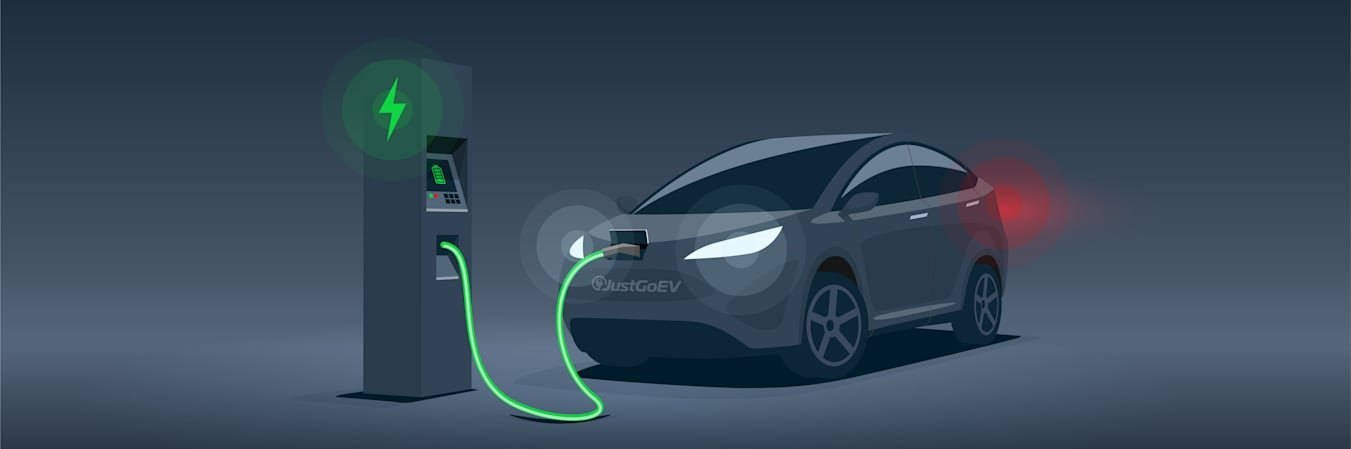
Charging an electric vehicle could not be easier!
Charging an electric vehicle (EV) is incredibly straightforward. If you are considering transitioning to electric driving but feel unsure about the logistics of keeping your car powered, you are not alone.
Fortunately, the public infrastructure and home charging technology available today make running an EV seamless. From overnight charging at home to ultra-fast highway stations, there is a charging solution to fit every daily routine.
- Public Chargers
- From Home
- From Work
Charging out and about
The public network is growing on a daily basis. There are now more than 120,000 public EV chargers operating across over 46,000 locations throughout the UK. Globally, that network expands to several million, meaning you are never far from a reliable power source.
The benefits of public charging are many. Not only do they provide necessary ‘pit stops’, they offer rapid-charging capability.
The primary benefit of public charging stations is speed. Designed for quick "top-ups" while travelling, these commercial units are divided into two main categories:
Rapid Chargers (50 kW to 100 kW): These are common at supermarkets, retail parks, and highway service stations. They can typically boost an EV battery from 20% to 80% in around 30 to 45 minutes.
Ultra-Rapid Chargers (150 kW to 350 kW): The fastest chargers available. If your car is compatible with ultra-fast DC charging, these high-powered hubs can add hundreds of miles of range in as little as 15 to 20 minutes—just enough time to grab a coffee
Charging at home
Charging at home is the most convenient method for EV owners, which is why approximately 80% of all electric vehicle drivers rely heavily on it.
When powering your vehicle from home, you generally have two options: standard trickle charging or installing a dedicated home wallbox.
The Standard 3-Pin Plug Socket (3 kW)
You can charge an electric car by plugging it directly into a standard domestic 3-pin electrical socket. While this is highly convenient for emergencies or overnight stops, it is the slowest possible charging solution.
Real-World Speed: For an electric SUV like the MG ZS EV, a full charge from 0% to 100% using a standard wall socket takes roughly 17 to 24 hours (depending on whether you have the Standard or Long Range battery model).
Note: Using a standard 3-pin socket for prolonged EV charging is not recommended as a long-term solution due to the strain it puts on domestic wiring.
Dedicated Home EV Smart Charger (7 kW)
For faster, safer, and more elegant home charging, most drivers install a dedicated 7 kW home EV wallbox. This fast-charging method drastically slashes waiting times.
Charging at work
Charging your electric vehicle (EV) at work is one of the most convenient and cost-effective ways to keep your battery topped up. If your employer offers workplace charging, you can effortlessly power your vehicle during the 8-hour workday.
Depending on your company's setup, you will generally encounter one of three workplace EV charging speeds:
Standard 3-Pin Plug Charging (3 kW)
If your workplace doesn't have dedicated EV infrastructure, you may be able to charge using a standard domestic three-pin socket. Delivering around 3 kW of power, this is a slow 'trickle' charge. Note: Always get your employer's explicit permission before plugging into a standard building outlet.
Fast Workplace Charging Wallbox (7 kW)
Many employers install dedicated 7 kW fast-charging stations. Because these units can fully charge a standard EV battery in 3 to 7 hours, they are ideal for a typical work shift.
Business Incentives: Employers can significantly lower the upfront cost of these installations by taking advantage of the UK government's OZEV (Office for Zero Emission Vehicles) grant schemes. The Workplace Charging Scheme (WCS) provides financial support to businesses, charities, and public sector organizations, covering up to 75% of the purchase and installation costs of EV charge points.
How to charge?
Charge Points
Plug

Socketed
Tethered
How long will my vehicle take to fully charge?
Electric vehicle (EV) charging times vary depending on your car's battery size and the type of charger you use. As a general rule, the higher the kilowatt (kW) rating of the charger, the faster your vehicle will power up.
- 3-Pin Domestic Socket (3 kW): The slowest option, best for overnight or emergency charging. A fully charge can take up to 8-10 hours.
- Dedicated Home or Work Wallbox (7 kW to 22 kW): The most common option for daily drivers. The battery to reach full charge can take up to 3-4 hours.
- Rapid & Ultra-Rapid Public Chargers (50 kW to 350 kW): Found at highway service stations. These can boost your battery from 10% to 80% in as little as 20 to 60 minutes.
From efficient city commuter cars to spacious family SUVs, the latest generation of electric vehicles offers incredible range, cutting-edge tech, and unmatched driving comfort.
Explore Our Full New Electric and Hybrid Car Range on our Electric Vehicle Range
Frequently Asked Questions
Is it cheaper to charge an EV at home or at a public station?
Can I charge my electric car using a standard 3-pin plug socket?
How long does it take to charge an electric car?
Fill in your details below and a member of our team will be in touch

By providing your details you consent to us being able to contact you using the methods given above. Read more.
Fill in your details below and a member of our team will be in touch
By providing your details you consent to us being able to contact you using the methods given above. Read more.